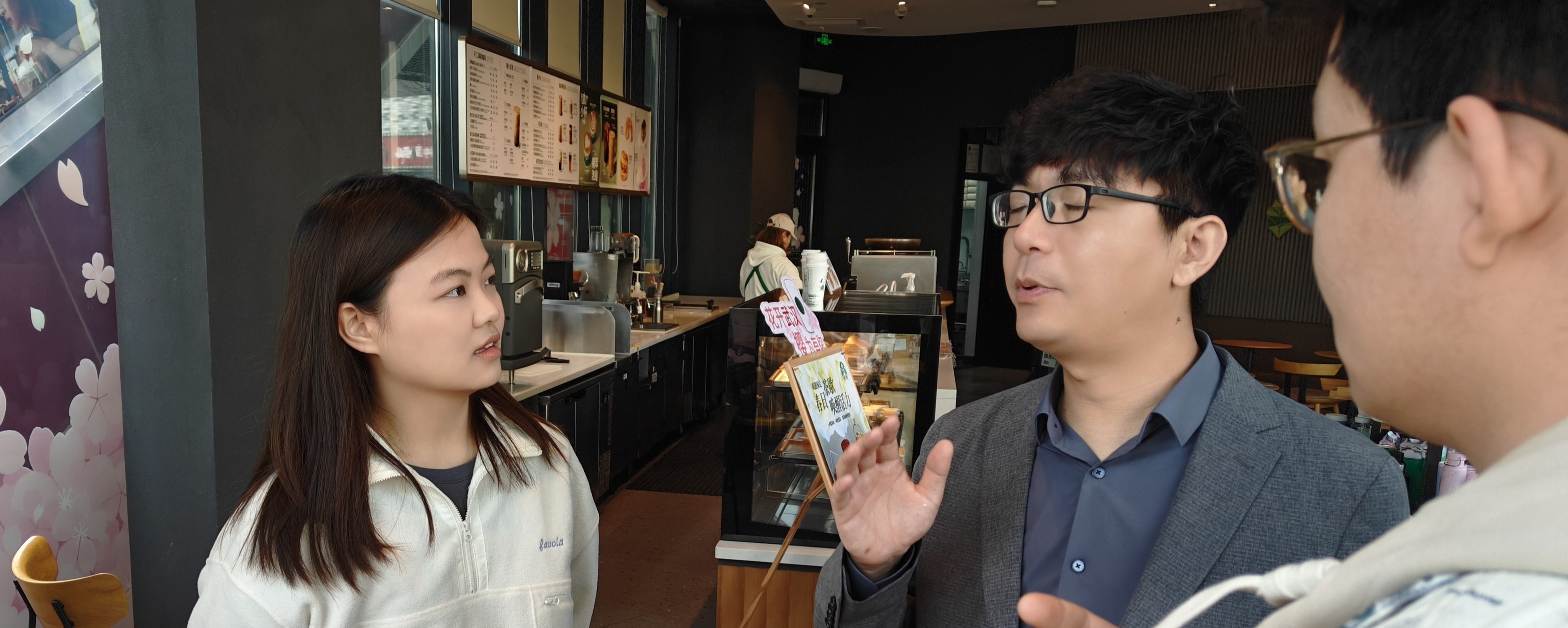
Interview Contents
In this semester's course, we delved into the current status and development trends of the biological industry. To achieve this, we conducted interviews with four professionals in the field, gaining detailed insights into their work experiences, required skills, and perspectives on the industry's future. These interviews provided us with firsthand information, allowing for an in-depth analysis of key issues such as current work conditions and skill requirements in the biological industry. We have compiled the interview content into transcripts, which are attached below for your reference:
Interview with Bing SUN
Interview with Pei HUANG
Interview with Wenwen ZHOU
Interview with Xiu FENG
These interviews have offered valuable industry insights, enhancing our understanding of the dynamics and challenges within the biological sector. By sharing this content, we aim to provide useful information and promote a deeper understanding of the biological industry.
Synthesis of the Interviews
1. In the process of conducting interviews, we encountered some awkward situations due to insufficient background research beforehand. The limited availability of information sources made it difficult for us to gather enough details about the interviewees prior to the interviews. Moreover, we lacked the awareness of the importance of knowing more about the interviewees in order to facilitate a natural and fluent conversation. In the future, we will make greater efforts to expand our information sources and conduct more thorough background investigations to better prepare for interviews and avoid such awkwardness. For instance, we can get in contact with them ahead of time or send a concise questionnaire to them, and then we may get more basic information about them.
2. When conducting an interview, it was quite common for our team to exceed the originally set time. This happened because some interviewees couldn't grasp our points immediately, or they wanted to talk more about themselves and even offered us more suggestions on how to be more professional. However, this situation becomes problematic in formal settings, such as those with strict time limits. Therefore, in the next interviews, we will pay closer attention to time management and control the duration more strictly to ensure that we stay within the allotted time while still allowing the interviewees to express themselves adequately.
3. In some cases, the interviewees just answered our questions but did not elaborate further, which may have been caused by the inappropriate way of asking. We sometimes used leading questions that implied certain answers, which prevented us from getting genuine responses from the interviewees. To address this, we will avoid using leading questions and instead formulate more open-ended questions. This will give the interviewees more freedom to share their thoughts without feeling constrained by the answers we might have anticipated.
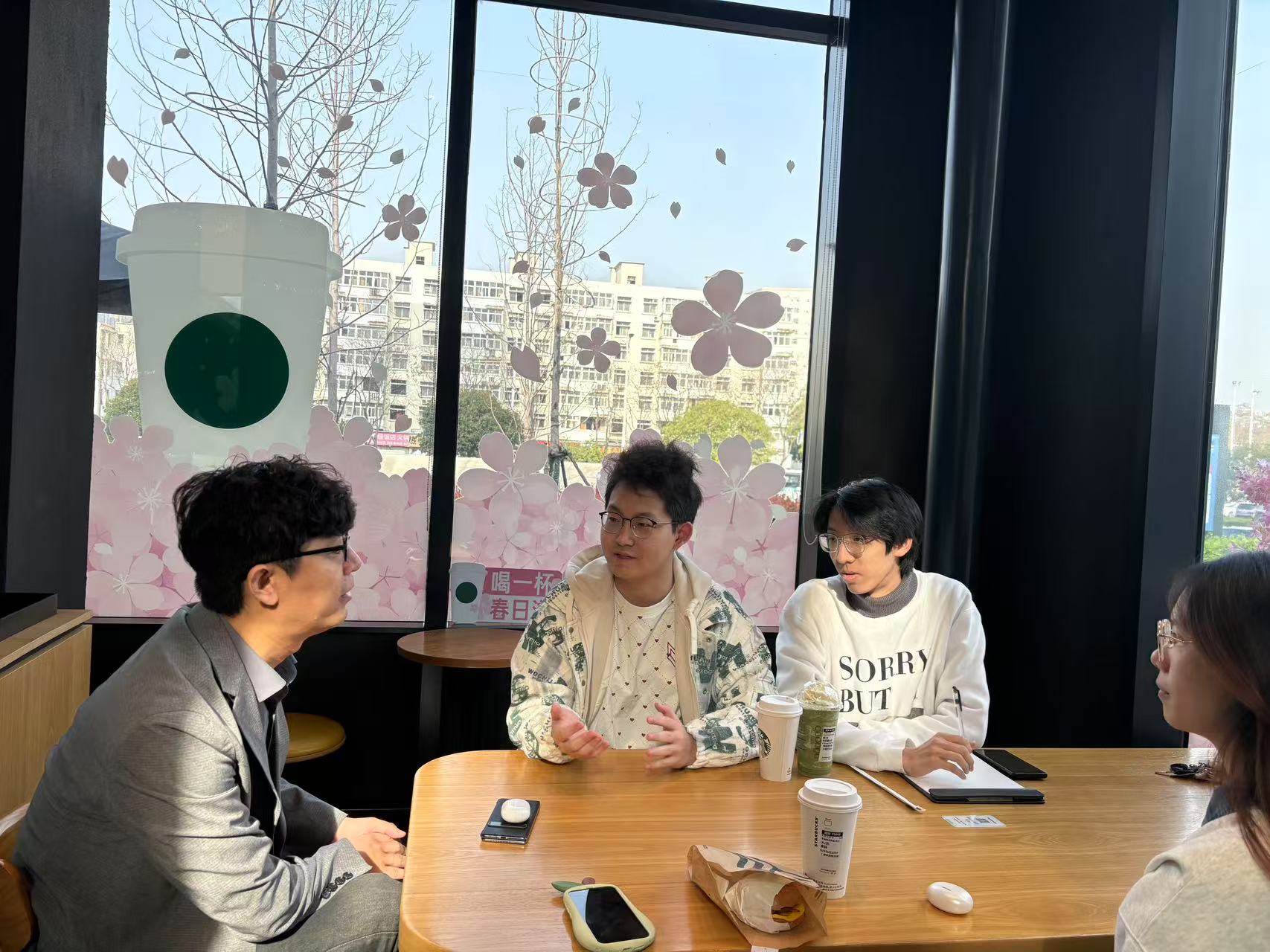
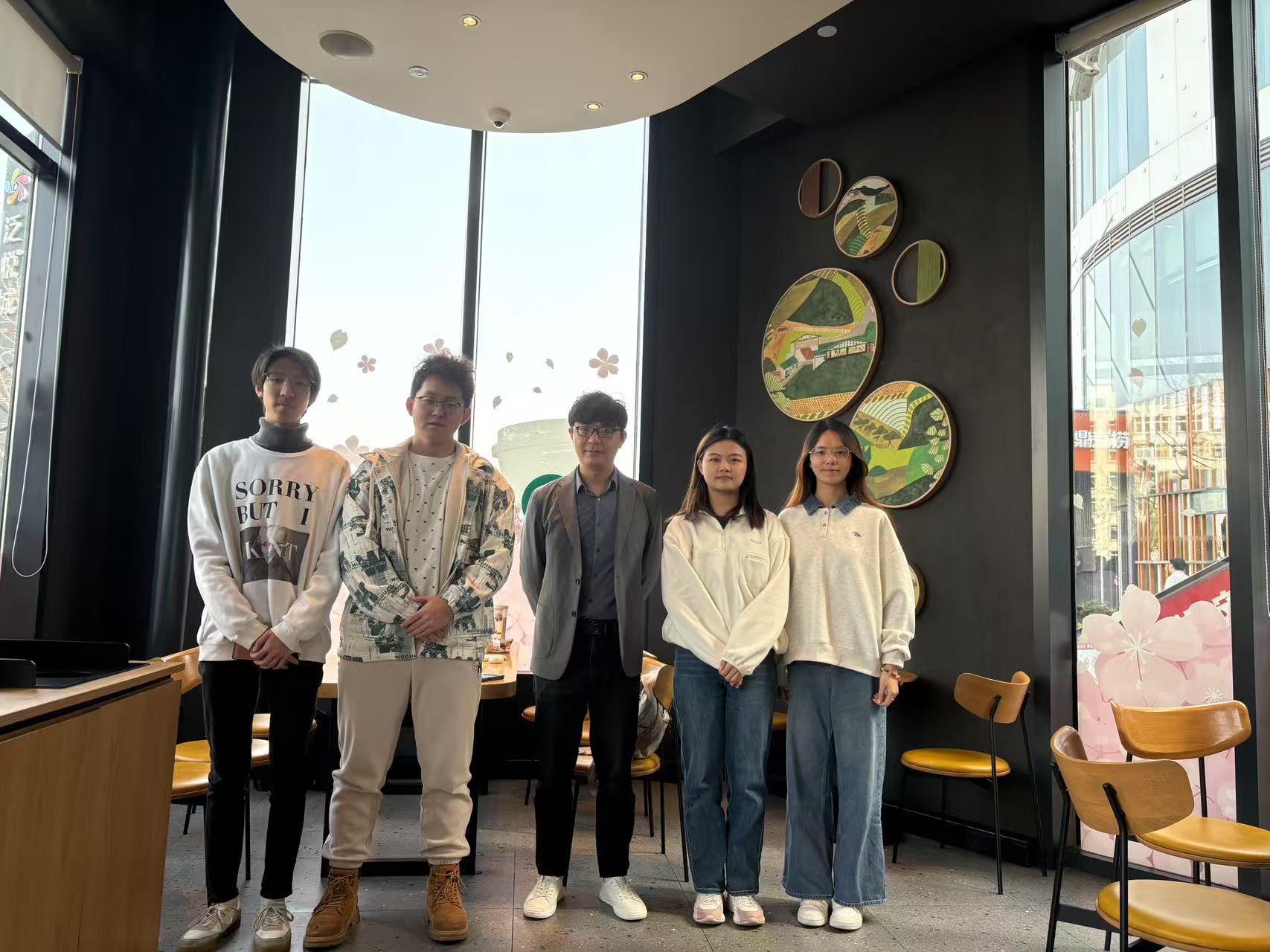
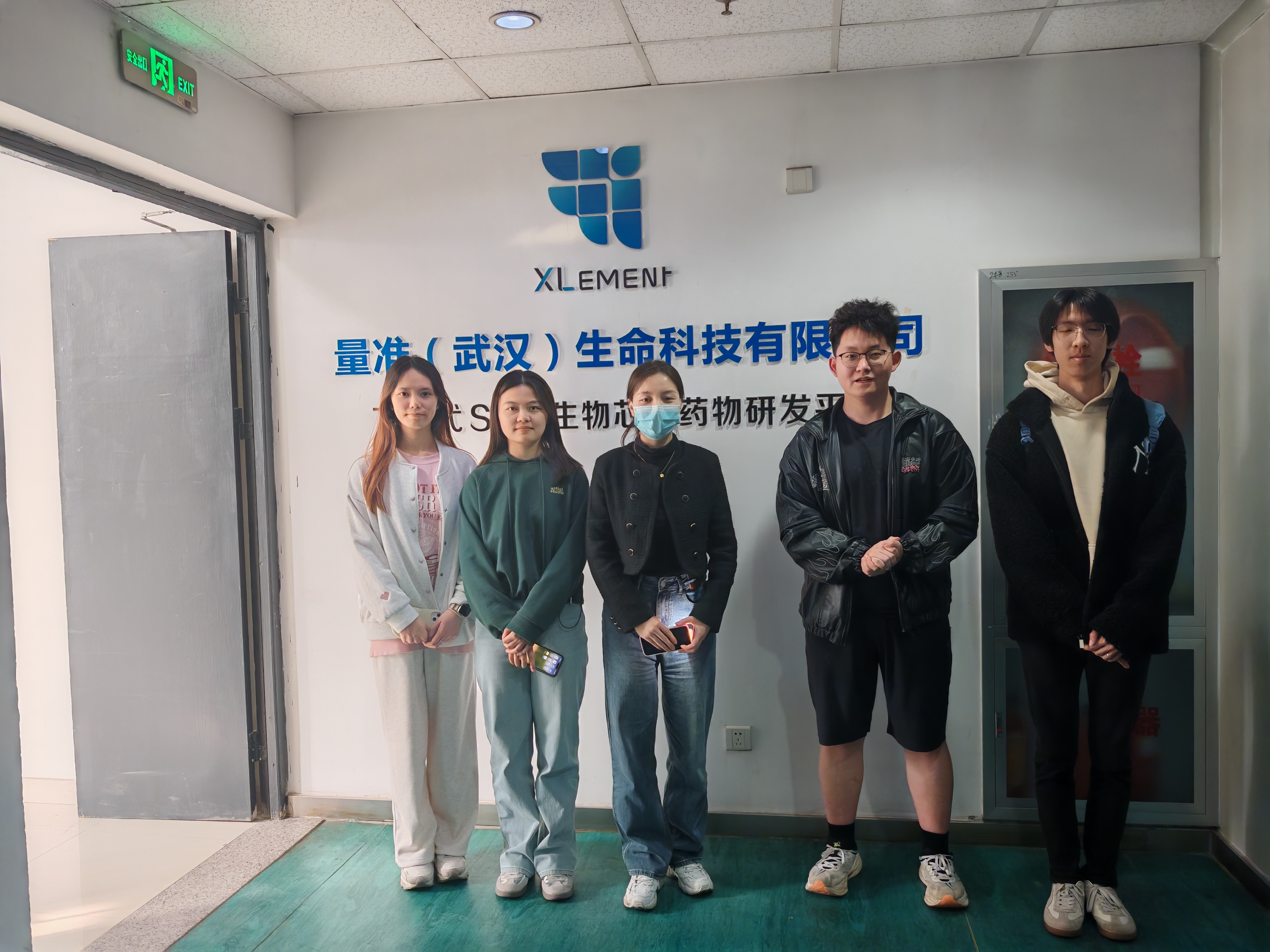
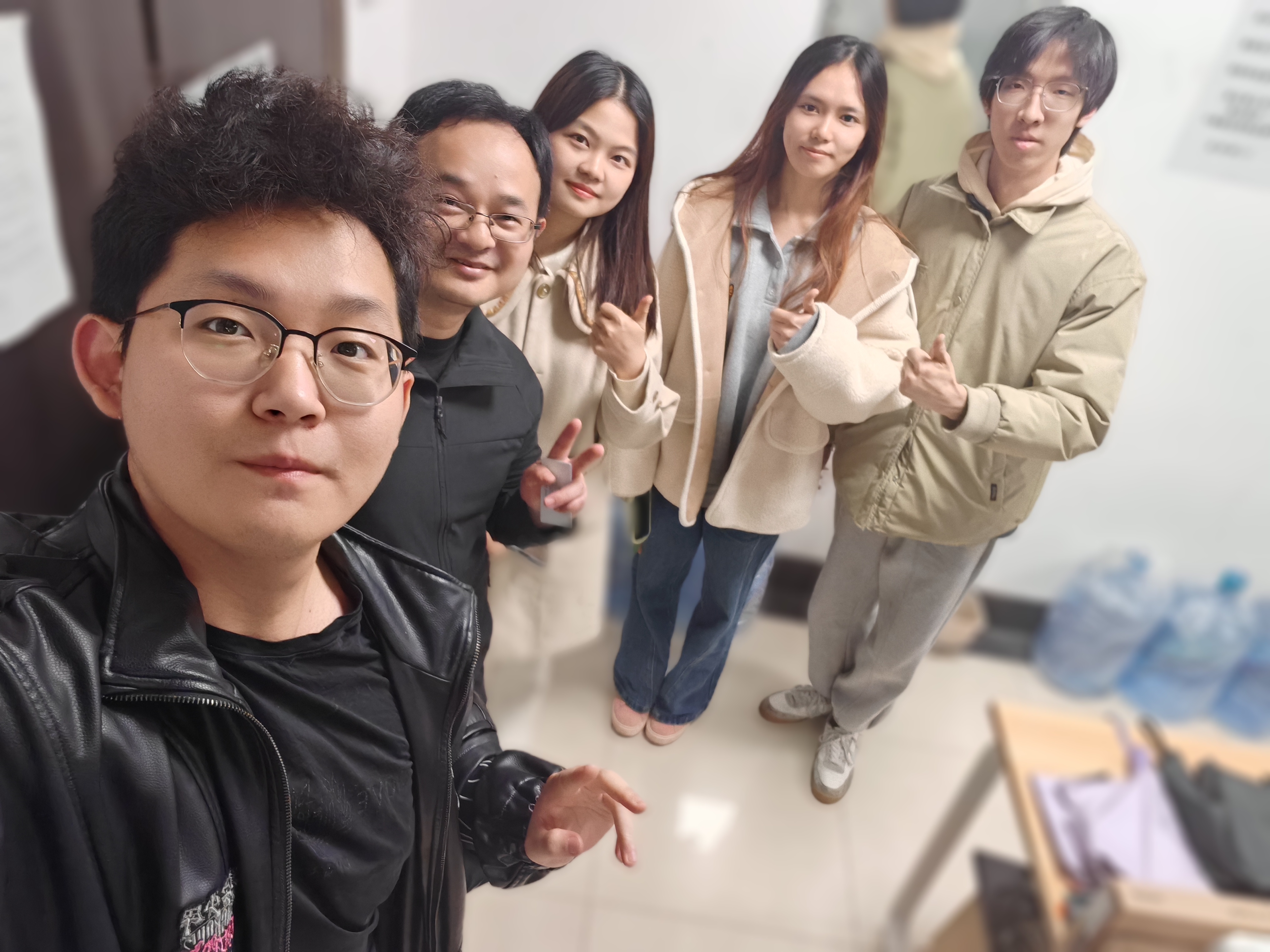
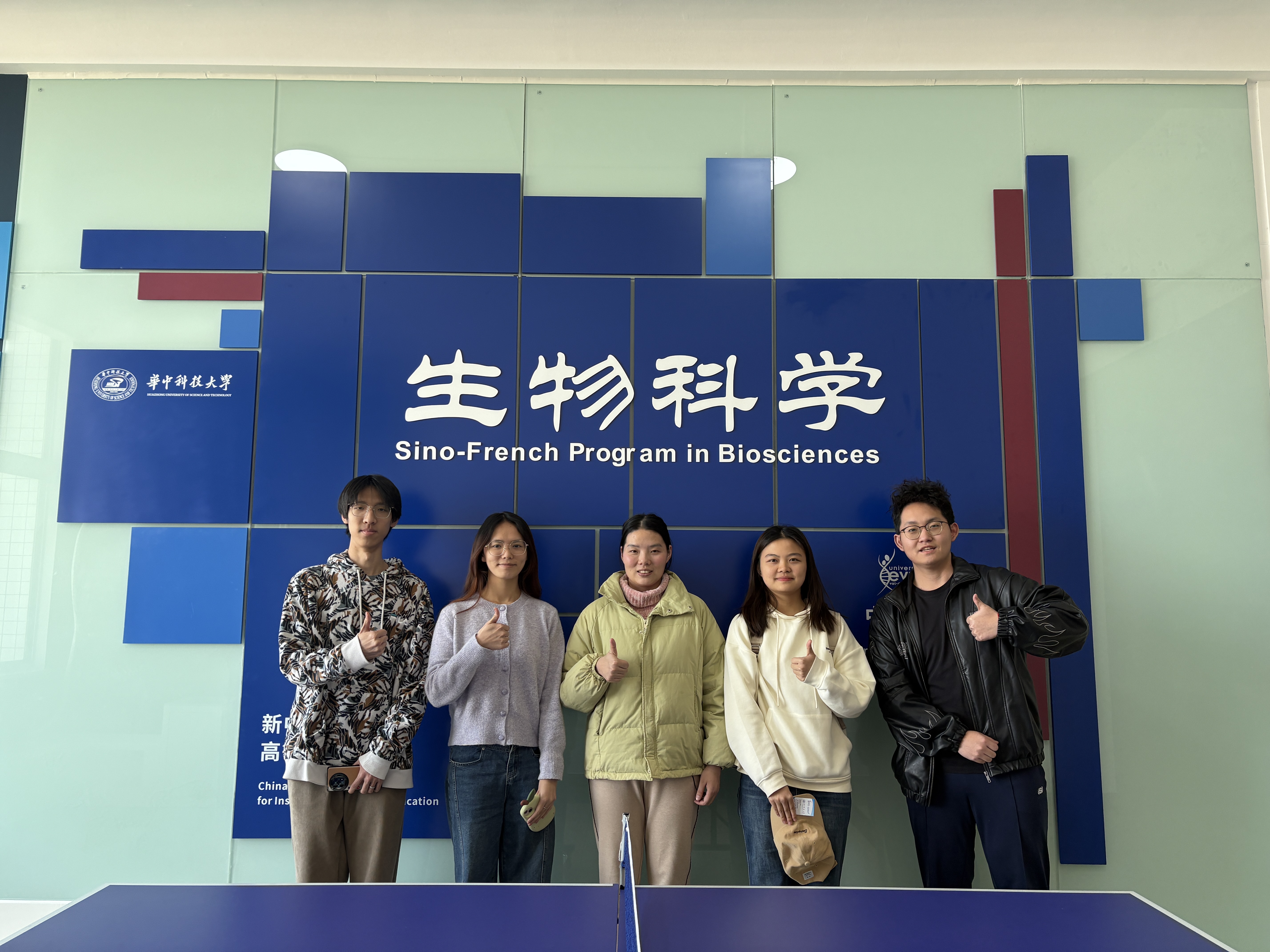
Proof of the Encounter
Here are photos of us with these professionals during the interviews:
What interviews have brought to us?
Gains
During these interviews, we have mastered the basic methods of communication, especially how to pose our own questions effectively. Naturally, we have become increasingly familiar with the interviewees, including their careers, life experiences, and even their personalities. Everyone faces their own unique choices and different challenges, so we certainly cannot simply copy their answers. However, we can extract key insights from their responses, focusing not on the specific choices they made, but on their way of thinking, their attitudes towards their occupations and life. These insights can help us make our own decisions, thanks to these interviewing experiences.
In this process, we have gained a better understanding of what the real biological market needs. This means we can be better prepared before we step into the real professional world. We also need to have a clearer understanding of the differences between real professional situations and ideal ones. In a nutshell, all these experiences help us adapt to the occupational environment more effectively.
Besides, we have collected a number of professional people’s contact information. They have also expressed to us that they are pleased to provide some internships for us, which is a valuable opportunity for our future career development.
Reflections
In the process of conducting interviews, we encountered some awkward situations due to insufficient background research beforehand. The limited availability of information sources made it difficult for us to gather enough details about the interviewees prior to the interviews. Moreover, we lacked the awareness of the importance of knowing more about the interviewees in order to facilitate a natural and fluent conversation. In the future, we will make greater efforts to expand our information sources and conduct more thorough background investigations to better prepare for interviews and avoid such awkwardness. For instance, we can get in contact with them ahead of time or send a concise questionnaire to them, and then we may get more basic information about them.
When conducting an interview, it was quite common for our team to exceed the originally set time. This happened because some interviewees couldn't grasp our points immediately, or they wanted to talk more about themselves and even offered us more suggestions on how to be more professional. However, this situation becomes problematic in formal settings, such as those with strict time limits. Therefore, in the next interviews, we will pay closer attention to time management and control the duration more strictly to ensure that we stay within the allotted time while still allowing the interviewees to express themselves adequately.
In some cases, the interviewees just answered our questions but did not elaborate further, which may have been caused by the inappropriate way of asking. We sometimes used leading questions that implied certain answers, which prevented us from getting genuine responses from the interviewees. To address this, we will avoid using leading questions and instead formulate more open-ended questions. This will give the interviewees more freedom to share their thoughts without feeling constrained by the answers we might have anticipated.